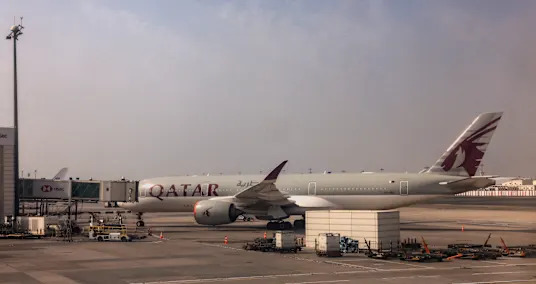
The Iran war is reshaping international aviation, with Gulf carriers forced to cancel tens of thousands of flights while rivals from Europe and Asia pick up some of the slack.
Around 1.7 million weekly seats have been removed from the region’s airline schedules so far, equal to around a third of prewar capacity, according to industry analysts OAG.
Saudi-based airlines are operating near-normal schedules, but the larger carriers in Qatar and the UAE are not. Qatar Airways is seeking lower aircraft rental payments as a way to reduce costs, Bloomberg reported. Airlines from other regions, including British Airways, Germany’s Lufthansa, and Hong Kong-based Cathay Pacific have cut back on services to the Gulf or pulled out entirely. At the same time, some have increased capacity on direct Asia-Europe routes that bypass the Gulf, although it is hard to make significant additions quickly, and at affordable prices for passengers.

LATEST POSTS
- 1
 Hezbollah fires over 600 times at Israel, IDF troops over last 24 hours
 - 2My Dad Can't Travel Like He Used to, but Slowing Down Doesn't Mean Stopping
- 3Cyprus: War-related tourism concerns and climate change efforts
- 4Germany unveils rescue plan for struggling chemical sector
- 5EU Council president: Ukraine should receive binding guarantees





- Swap The Amalfi Coast For This Low-Cost Ligurian Seaside Town
- Vote In favor of Your Favored IT Administration
- Dominating Capable Mastercard Utilization: Key Contemplations
- If you want a true taste of Italian paradise, head to Favignana
- Role reversal: Ukraine moves training home and exports the lessons abroad
- Modern surgery began with saws and iron hands – how amputation transformed the body in the Renaissance
- Palestine weekly wrap: Protests sweep West Bank after death penalty law
- Report: Thailand strikes deal with Iran for safe passage of Hormuz
- Court clears Beersheba assault suspect of link to Haymanut Kasau disappearance, extends detention