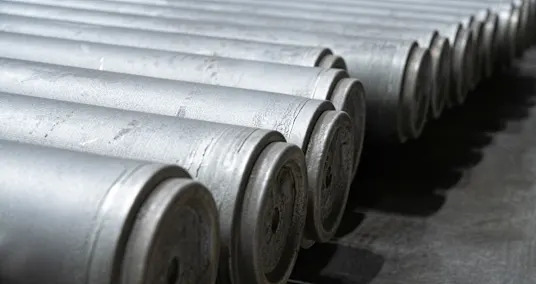
Fears of global aluminium shortages that could affect the production of clean energy technologies intensified after Iran struck two major Gulf aluminium producers, sending prices to a four-year high. The Middle East accounts for 9% of the world’s production of aluminum, which is essential to a wide range of industries from transportation, construction, and packaging, as well as the manufacture of solar panels, electrical transmission systems, wind turbines, and EVs.
Export shipments to the US and Europe had already come to a halt because of the effective closure of the Strait of Hormuz, and Morgan Stanley economists singled out aluminium as carrying a high level of risk across the value chain. Andy Farida, an aluminium analyst at Fastmarkets, told Semafor that high prices would be passed on to end-users, ultimately causing demand destruction. “A prolonged shutdown (with little to no alternative supplies other than Russia and China) could cripple the supply of aluminium to support the production of clean and green technology,” he said, adding that relief could come “if governments allow some sanctioned Russian and Chinese aluminium to be imported.”

LATEST POSTS
- 1
 Top 20 Compelling Business Books for Progress
 - 2'Malcolm in the Middle' reboot releases 1st trailer, reuniting Frankie Muniz and Bryan Cranston: Watch here
- 3NASA releases new ‘Earthset’ and eclipse images taken during historic flyby of the moon
- 4Step by step instructions to Pick the Right Dental specialist for Your Dental Inserts Technique
- 5Well known Travel Booking Locales: What's Your Pick?





- Florence's Uffizi Gallery moves treasures to safety after cyberattack
- Bismuth’s haredi draft bill won’t change enlistment, IDI expert tells 'Post'
- 10 Hints for an Effective New employee screening
- Manual for Tracking down One of a kind Store Inns
- How C-reactive protein outpaced ‘bad’ cholesterol as leading heart disease risk marker
- Jamie Dimon warns Iran war could drive inflation, interest rates higher
- One lightly wounded after Iranian missile barrage targets northern Israel
- Was it a stone tool or just a rock? An archaeologist explains how scientists can tell the difference
- Foods with healthy-sounding buzzwords could be hiding added sugar in plain sight