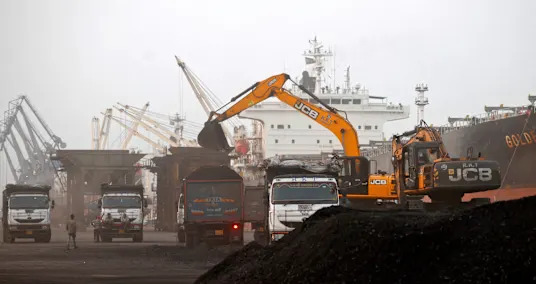
India’s much-delayed 2035 climate plan underestimates the country’s clean energy potential and allows for an acceleration of emissions growth, according to analysts. The plan aims to reduce the emissions intensity of its GDP by 47% from 2005 levels and increase the share of its electricity capacity from nonfossil sources to 60% by 2035.
The reduced carbon intensity target would, however, still allow India’s carbon emissions to increase by 70% over the next decade if GDP grows at a target rate of 7% per year, Lauri Myllyvirta of the Centre for Research on Energy and Clean Air told Semafor. That would translate to emissions growth of 5.5% per year, above the average rate of 3.5% over the past decade.
India is also on track to achieve its clean power capacity target well ahead of time: Its Central Electricity Authority projects that nearly 70% of power capacity will come from nonfossil sources by 2035-36.
“India’s booming clean energy industry is highly likely to deliver much faster progress than policymakers were prepared to commit to,” Myllyvirta said. Disruptions to oil and gas flows caused by the Iran war and the competitiveness of clean energy could strengthen the case for accelerating renewable deployment.
LATEST POSTS



 Select Your Go-To Bluetooth Earphones
- One of the best meteor showers of the year peaks at the worst possible time this week
- China’s new condom tax will prove no effective barrier to country’s declining fertility rate
- Trump administration plan to reduce access to some student loans angers nurses, health care groups
- Explora Journeys becomes latest cruise line to be impacted by Middle East war
- Broken toilet, T-shirts on windows and collecting saliva: The weirdness of daily life aboard Orion
- Toilet rats? Washington health officials warn of possible rodents in sewer systems after floods
- Police arrest 18 as anti-war protests spread across Tel Aviv, Haifa, Jerusalem
- Mother and Stepson Rescued After Being Swept Over 6 Miles in Paddleboarding Mishap